

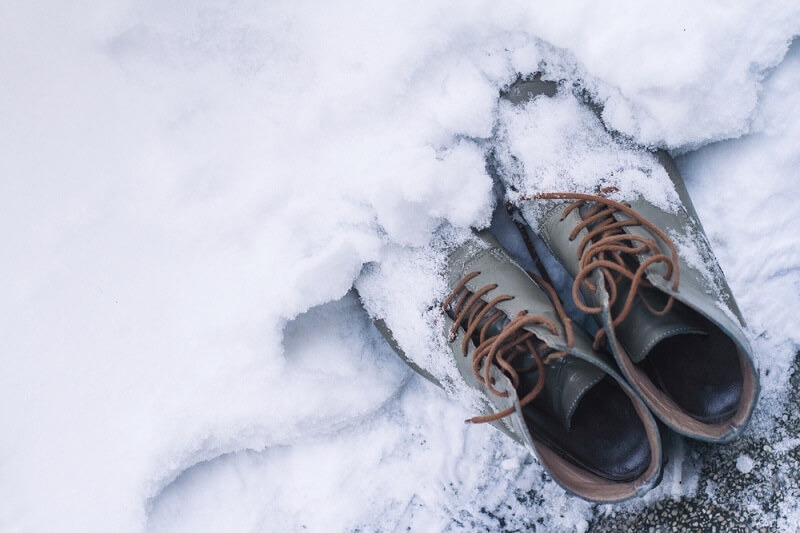
Winter shoes deal with more abuse than any other footwear you own. Snow, moisture, road salt, and constant temperature changes break materials down fast. Without a proper routine, even high-quality boots start to look worn halfway through the season.
Winter shoe care is not about doing something complicated or expensive. It is about knowing what damages shoes in winter and preventing that damage before it becomes permanent. This guide explains what actually works, what to avoid, and how to keep winter footwear usable for years instead of months.
Winter conditions create three major problems for shoes.
First, moisture gets trapped inside the shoe. Wet linings weaken structure and cause odor. Second, salt dries out leather and leaves stains that eat into the surface. Third, cold air stiffens materials, making them crack if not conditioned.
Ignoring shoe care in winter almost always leads to split soles, dull leather, and permanent discoloration. Once that damage sets in, no cleaner can reverse it.
Good winter shoe care starts with small habits that happen daily.
These habits reduce long-term damage more than any single product. Consistency matters more than effort.
Explore More: Quick Everyday Fashion Styling Tips for Great Outfits
There is a lot of advice online, but not all of it is useful. These winter shoe care tips are practical and proven.
Use shoe trees after each wear. They help shoes hold shape and absorb moisture. Cedar shoe trees work best in winter.
Clean shoes lightly but often. Dirt and salt are easier to remove when fresh.
Store shoes in a dry, ventilated space. Closed plastic boxes trap moisture and cause odor.
These steps sound basic, but skipping them is the reason most winter shoes fail early.
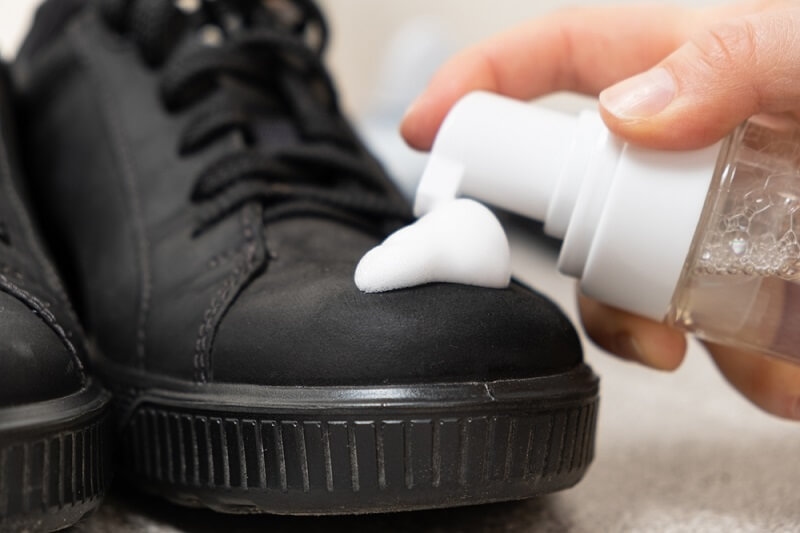
Knowing how to clean winter shoes properly prevents damage caused by over-cleaning or harsh products.
For leather winter boots, use a damp cloth to remove surface dirt. If needed, add a small amount of mild soap. Never soak leather.
For suede or nubuck, use a suede brush to lift dirt. Water alone can stain suede, so dry cleaning methods work better.
For synthetic winter shoes, mild detergent and warm water are usually enough. Rinse lightly and wipe dry.
Cleaning winter shoes once every two to three weeks is usually enough unless you walk through heavy salt daily.
Salt stains are one of the most common winter shoe problems. If ignored, they permanently damage leather.
Mix equal parts white vinegar and water. Lightly dampen a cloth and gently wipe the stained area. Let the shoes air dry naturally.
This method works for leather and most synthetic materials. For suede, use a suede-specific cleaner instead.
Removing salt early is one of the most important winter shoe care tips.
Also check: Common Fashion Mistakes That Quietly Ruin Great Outfits
Leather boots need extra attention in winter. Cold air and salt strip natural oils from leather, causing cracks.
After cleaning and drying, apply a leather conditioner. Use a small amount and work it in evenly.
Condition leather boots once or twice a month during winter. Over-conditioning can weaken structure, so moderation matters.
This step is essential for proper winter boot care and helps boots last far beyond one season.
Waterproof winter shoes handle snow and slush better, but no shoe stays waterproof forever.
Use a waterproof spray that matches your shoe material. Leather, suede, and fabric each require different formulas.
Apply spray in a ventilated area and allow it to dry fully before wearing. Reapply every few weeks if you wear the shoes often.
Waterproof winter shoes still need drying and cleaning. Waterproofing reduces water entry but does not eliminate moisture completely.
Suede shoes can work in winter if cared for properly, but they are less forgiving than leather.
Always apply a protective spray before wearing suede in winter. This creates a barrier against moisture and salt.
Brush suede regularly to keep fibers clean and upright. If suede gets wet, let it dry completely before brushing.
Avoid wearing suede in heavy snow or slush. Prevention is the most effective shoe care in winter for delicate materials.
Wearing the same pair every day is one of the fastest ways to destroy winter shoes.
Shoes need time to dry internally. Rotating pairs allows moisture to evaporate fully and prevents odor buildup.
Even rotating between two pairs improves winter shoe care and extends lifespan significantly.
Between wears, winter shoes should be stored properly.
Proper storage supports winter boot care and prevents avoidable damage.
When winter ends, many people make the mistake of storing shoes without cleaning them.
Always clean winter shoes before storage. Salt and dirt continue to damage materials over time.
Condition leather, brush suede, and let shoes dry fully. Use shoe trees to maintain shape during storage.
Good end-of-season winter shoe care ensures your shoes are ready next year without extra repairs.
Don’t Miss: Work Travel Event Outfits Made Simple and Stylish Picks
Avoid these mistakes that shorten shoe lifespan.
Fixing these habits improves shoe care in winter immediately.
Winter shoe care does not require complicated routines or expensive tools. It requires attention, consistency, and understanding how winter damages footwear.
When you clean properly, rotate shoes, waterproof wisely, and store them correctly, winter shoes last longer and perform better. Whether it is leather boots, suede shoes, or waterproof winter shoes, the same principles apply.
Treat winter footwear like equipment, not disposable fashion. The results show quickly.
Light cleaning should be done as needed, especially after exposure to salt or slush. Deep cleaning every two to three weeks works for most winter shoes.
No. Waterproof winter shoes still trap moisture inside and need drying, cleaning, and reapplication of waterproof spray over time.
Avoid harsh household cleaners. Mild soap, vinegar solutions for salt, and material-specific products are safer and more effective.
This content was created by AI